How GPS shipment tracking works on a long-distance move
From load-day weigh tickets to the two-hours-out text, here is what you see while your home is on the interstate.
Why tracking matters more on interstate moves
On a local move you can follow the truck in your own car. On a 1,700-mile move, your furniture, family photos and kids' beds disappear down I-65 while you catch a flight. The days between loading and delivery are when customers feel the least in control, and when most anxious phone calls happen.
We built our tracking process around one idea: you should never have to call dispatch to find out where your truck is.
Load day: the link goes live
When the last item is loaded, your crew lead closes out the inventory on a tablet, attaches the certified weight tickets and seals the truck. At that moment, your private tracking link is activated and sent by text and email. Only people you share it with can see it.
- Signed digital inventory with item numbers
- Empty and loaded weight tickets
- Driver name and direct text line
- Confirmed delivery window
On the road: GPS check-ins
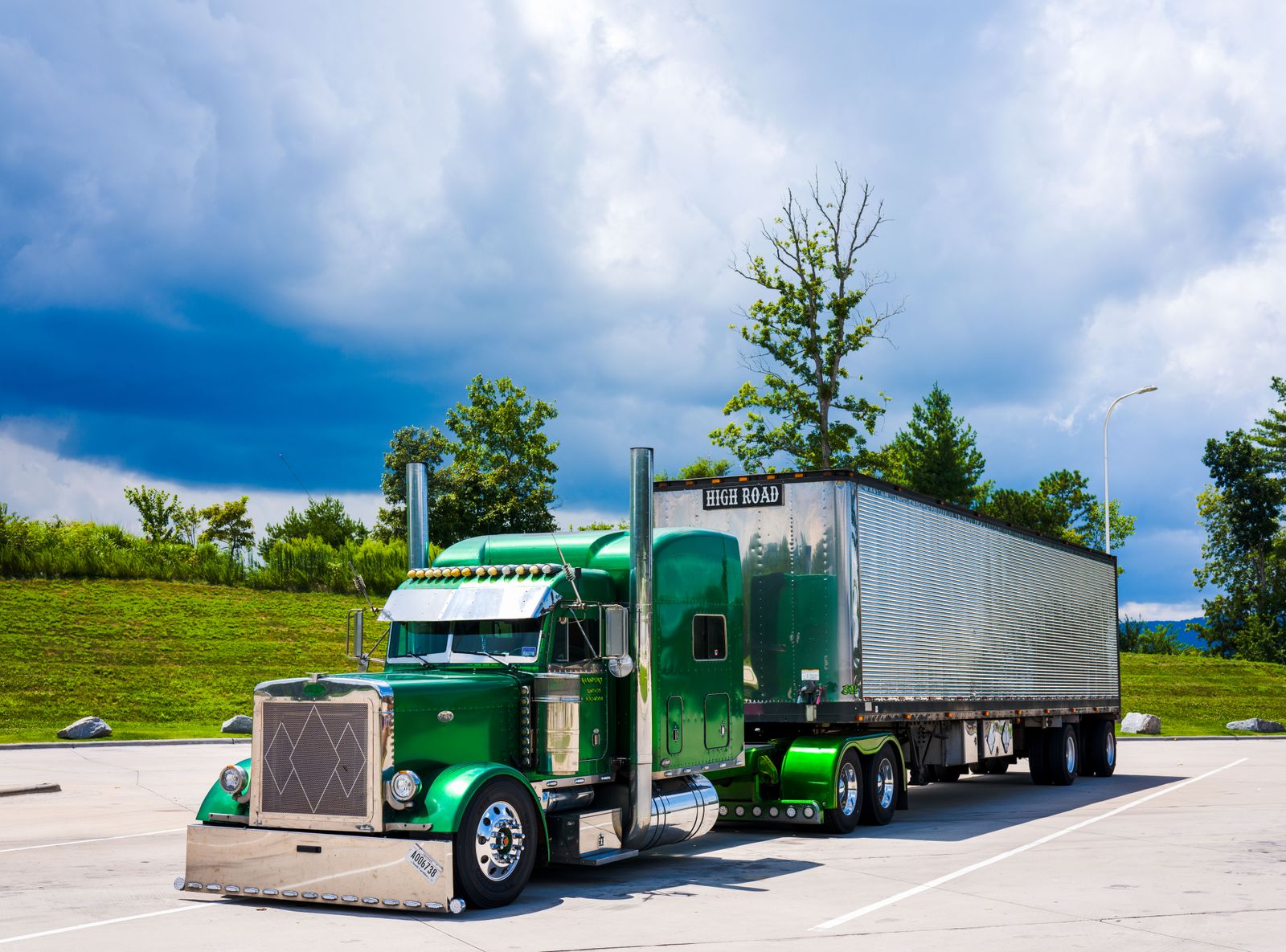
Every Nomad tractor carries an electronic logging device that records location for federal hours-of-service rules. We use the same system to publish a check-in each time the truck stops for fuel, a mandatory rest break or overnight parking. Your link shows the city, state and time of the most recent check-in along with the planned route.
We intentionally show check-ins rather than a live moving dot. Drivers stop at secure truck plazas, and publishing an exact real-time location for a loaded household truck is not a risk worth taking.
Driver texts
Drivers send short updates at meaningful points: crossing into your destination state, clearing a mountain pass in winter, or adjusting for weather. If a storm closes I-70 through the Rockies, you will hear it from the driver along with a new arrival estimate, not discover it from a delay.
The final approach
Twenty-four hours before arrival, your driver calls to confirm the address, parking and any building rules. Two hours out, you receive an automatic text so you can be at the door with keys ready and parking cleared. If you need to delay delivery, that call is the moment to switch to storage in transit without extra handling.
When the truck arrives, the crew lead checks the seal with you before opening the doors, and the same inventory used at loading guides placement room by room.
Ready for a real number?
Get a binding estimate in writing within 24 hours of your video survey.
NEXT